We have three new vegetable seed varieties this year, so I wanted to share a bit about each.
Fagiolini dell'occhio
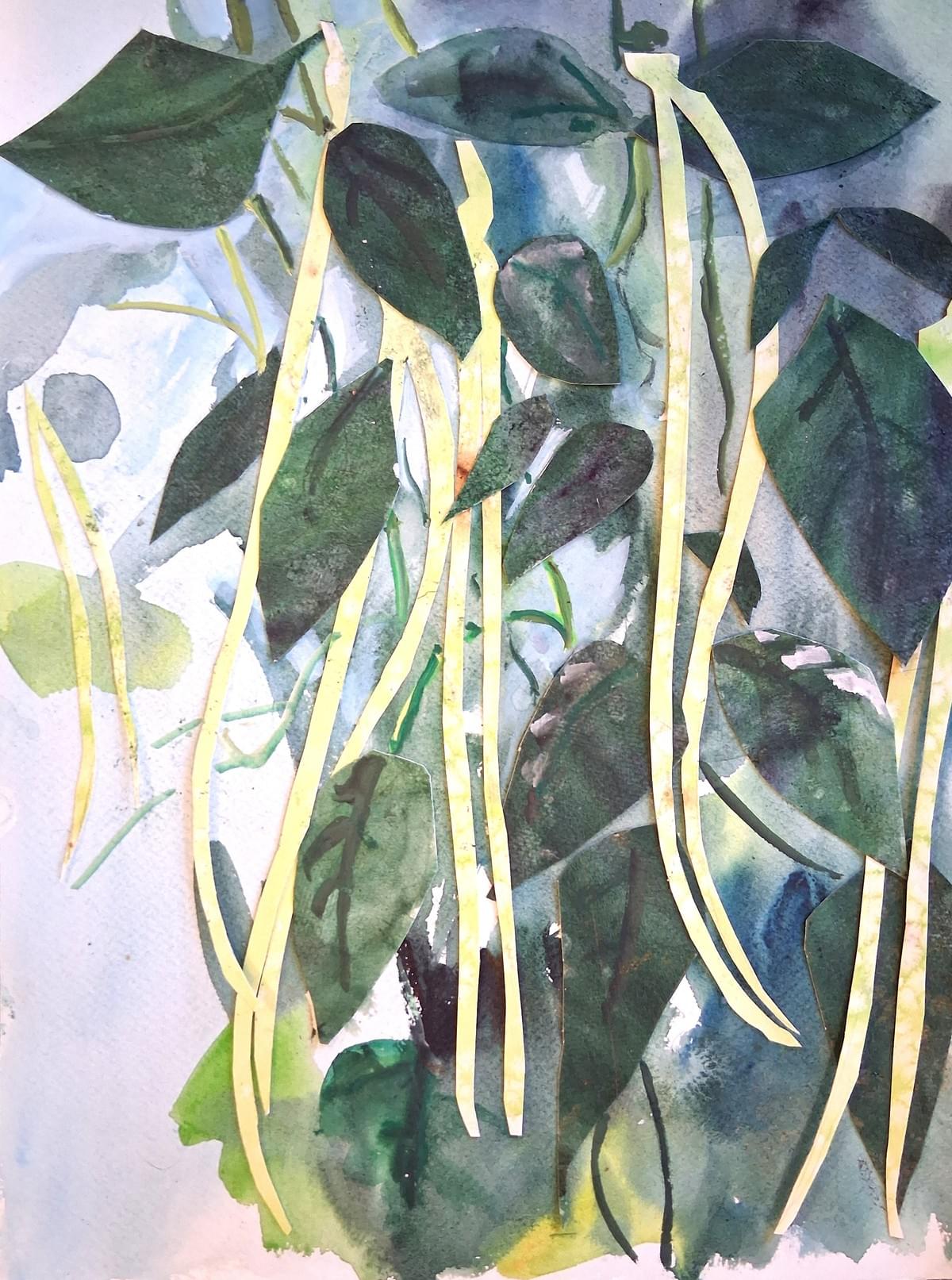
Yardlong beans is a bit of a misnomer. They are actually not in the bean family but a type of cowpeas. And they are not really a yard long, but closer to two feet in length. However, "two-foot long cow peas" is nowhere near as catchy as yardlong beans, so here we are.
They are like green beans in that you eat them when the pods are slender and the beans are immature. You can eat them steamed, cooked in dishes or even raw. They do taste a bit different from a green bean. The lighter colored yardlong beans are very tender and bit sweeter than a green bean and the darker varieties are more intensely flavored. In general, yardlongs have a nuttier taste than green beans.
Fagiolini dell'occhio was developed in the 1950's by Vasco Marconi, a seed saver and restauranteur in Chicago. Eventually, the seeds were donated to Seed Savers Exchange.
This variety starts producing in mid-summer about 60 days from sowing. Keep picking the young beans and the plants will keep producing until the first frost. Plant seeds after the soil has warmed up, 1" deep, 2" apart in rows 36" apart. Thin to 4" apart.. Yardlong beans are climbers and will need a trellis or fence.
Golden Giant Amaranth
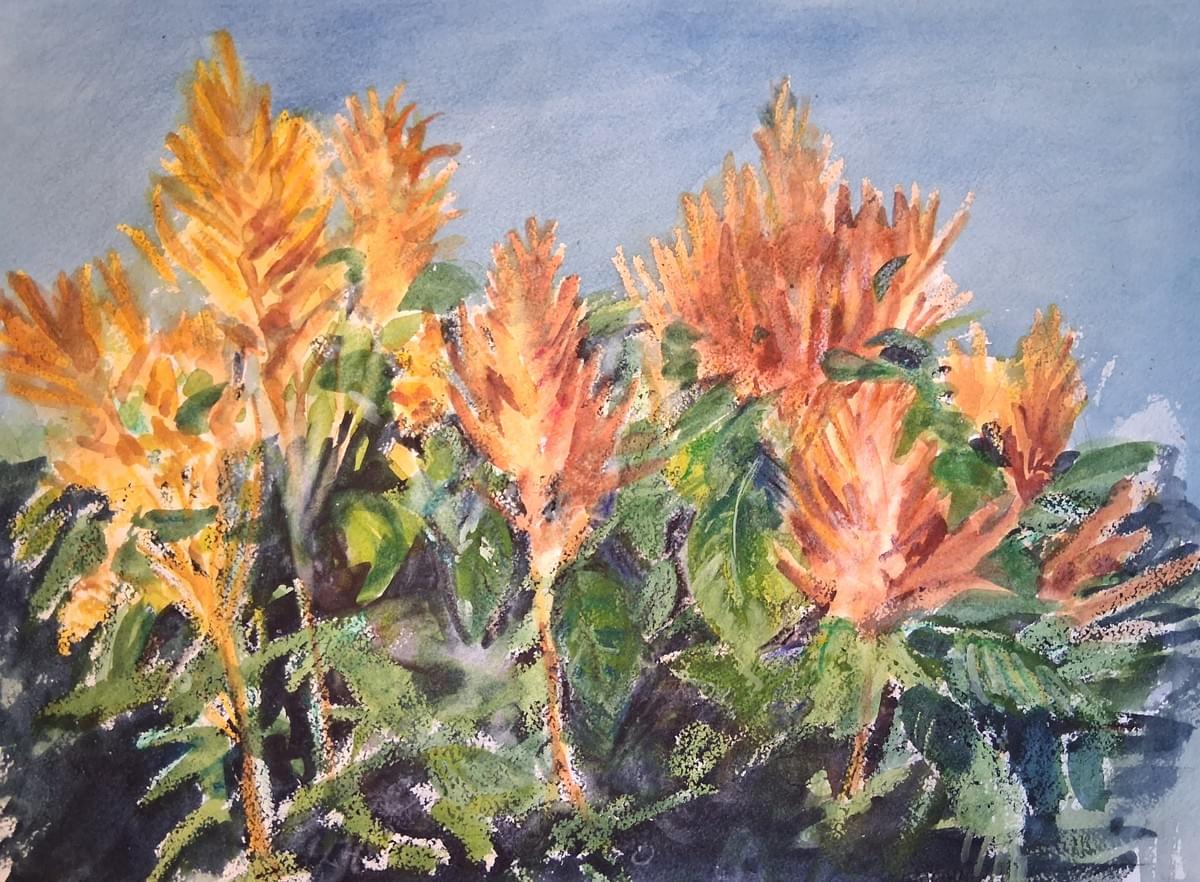
If you haven't had the chance to try it yet, amaranth can be cooked like oats or quinoa. It has a distinctively nutty taste. I think it makes a great breakfast cereal with a little butter and maple syrup drizzled on top.
Amaranth is also a nutritional powerhouse! It's gluten free and has high levels of high quality protein. Unlike many other grains, the protein in amaranth is complete, and includes lysine, an essential amino acid. Amaranth also contains Vitamin C, iron, manganese, magnesium, phosphorus, calcium, various antioxidants, (including gallic acid and vanillic acid, beta-carotene), and a spectrum of unsaturated healthy fats.
Soak amaranth for 10 - 15 minutes and then drain the water before cooking. Cook with 2.5 times water: grain for half an hour and let sit for 10 minutes before serving.
Amaranth grows well in most soils. Plant seeds every 6 inches directly in your garden after the soil has warmed up. Barely cover the seeds and keep moist until germination. You can also start these indoors about a month before transplanting out in the garden. Thin to one plant every foot or so in rows 3 feet apart.
Harvest when the seeds start to drop off the plumes (90 - 100 days after sowing).
Criolla Sella Peppers
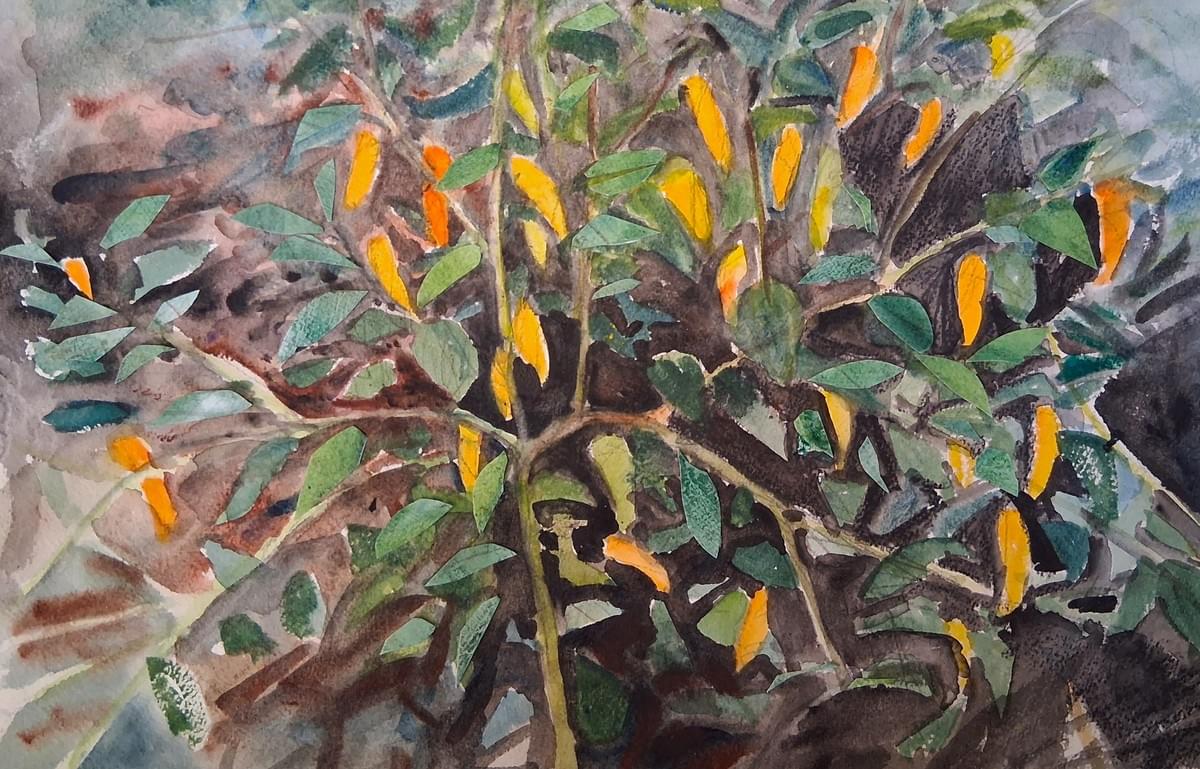
This is a great pepper for Northern growers or anyone else who wants an early pepper. They were developed in the Andes mountains, so they are well adapted to shorter growing seasons.
The bright yellow-orange fruits are about 3" long with a citrusy taste and medium heat. The plant has a bushy habit and once it starts producing (80 days from transplant), it doesn't stop. At the first true frost, these pepper plants were still loaded with colorful peppers. I pulled the plants out of the ground and hung them upside down in an unheated barn where the peppers continued to mature and dry. The fruits are thin walled and dry easily. Now, it's nearly April and I'm still pulling them off of the plants in the barn and serving them in any dish needing a little spice.
Start seeds indoors 6-8 weeks before transplanting and set them out in the garden after all danger of frost has passed, about a foot and a half apart in rows 3 feet apart
Bull's Blood Beet
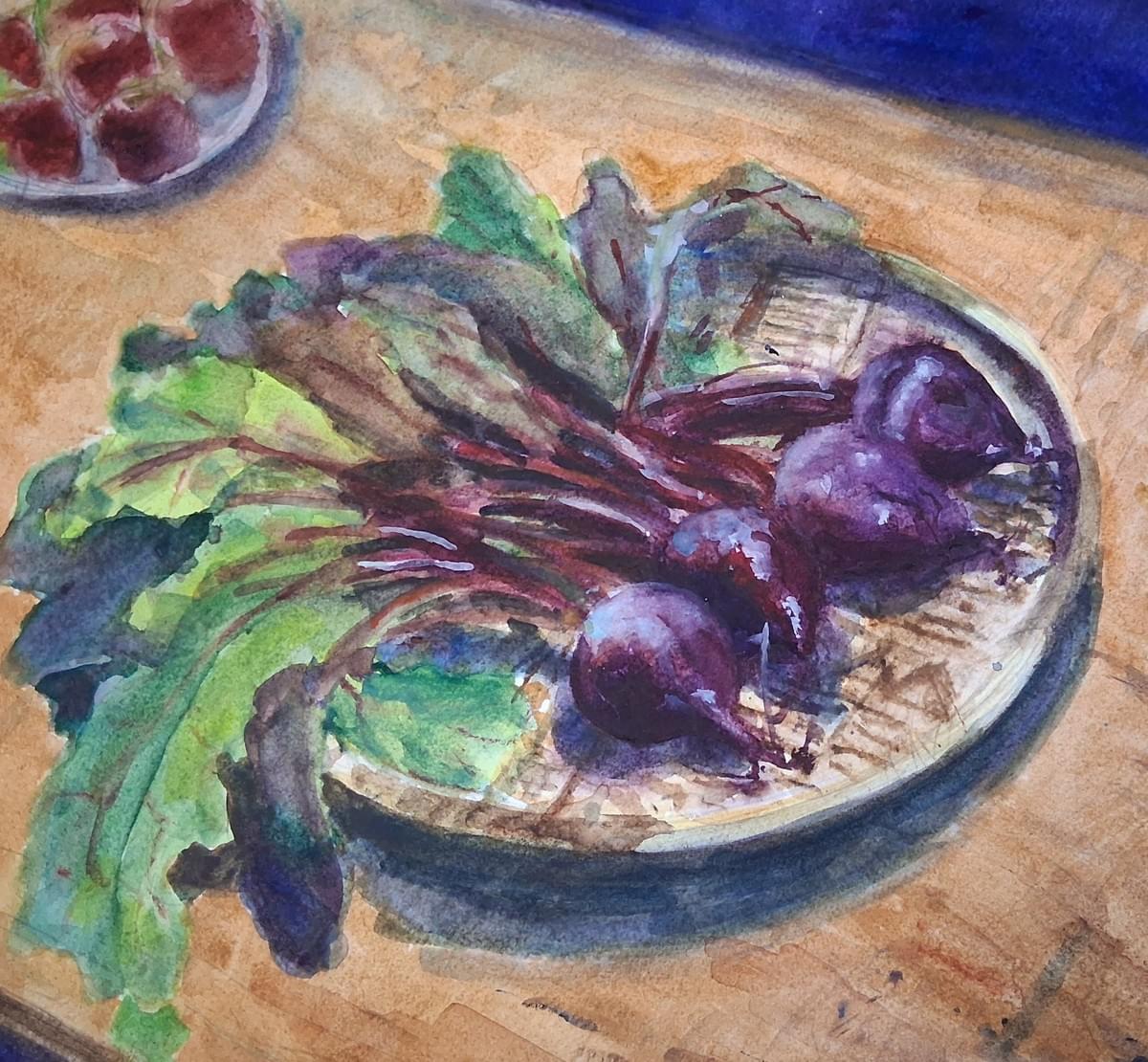
Bull's Blood is the ultimate multi-purpose crop. They can be grown for their sweet, earthy roots, but unlike many other beets, the tops are also delicious steamed or stir-fried, ranging from deep burgundy to dark green. You can eat the smaller tops fresh, and they make a colorful addition to salads.
Both the greens and the roots are high in nutrients and antioxidants as you would expect from such a colorful vegetable.
You can start sowing Bull's Blood early in the season, as soon as the soil can be worked. You can also sow them in mid summer for a fall crop. Plant one seed every 2" and thin to one plant every 4". Don't forget to add the thinned out tops to your salad! Use a mulch around the roots to maintain adequate moisture throughout the season. Baby greens are ready to go at 35 day, roots and mature tops at 60 days.